
The Unique World of Heterometrus Spinifer: Facts and Legends
Introduction
The Heterometrus spinifer, commonly known as the spiny forest scorpion, is a fascinating creature that has captured the imaginations of both scientists and enthusiasts alike. This article delves into the world of this unique arachnid, exploring its classification, geographical distribution, physical characteristics, habitat preferences, and behaviors. We will also discuss its role in ecosystems, the threats it faces, conservation efforts, cultural significance, and conclude with future research directions.
Classification and Geographical Distribution
The Heterometrus spinifer belongs to the class Arachnida and the order Scorpiones. It is part of the family Scorpionidae and the genus Heterometrus. This classification places it among the most diverse group of arachnids, known for their venomous sting. The spiny forest scorpion is primarily found in Southeast Asia, including countries such as Thailand, Malaysia, and Indonesia. Its preference for tropical and subtropical forests makes it a significant inhabitant of these regions.
Physical Characteristics
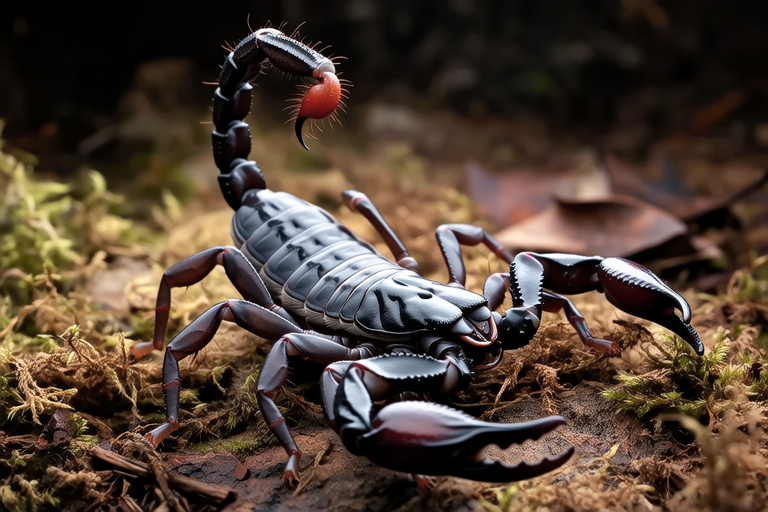
The Heterometrus spinifer is easily identifiable by its robust body structure and distinctive features. It typically measures between 8 to 12 centimeters in length, with males being slightly larger than females. One of its most striking attributes is the presence of sharp spines along its tail, which give it its common name. These spines serve both defensive and offensive purposes, helping the scorpion deter predators and subdue prey. The scorpion’s body is segmented into three parts: the cephalothorax, abdomen, and telson (the tail). Each segment is covered in chitinous armor, providing protection from environmental hazards and potential attackers.
Habitat Preferences
The Heterometrus spinifer thrives in dense, humid forests where it can find ample shelter and food. It prefers areas with abundant leaf litter, rock crevices, and tree hollows, which offer ideal hiding spots during the day. These environments provide the necessary moisture and temperature regulation that the scorpion requires to survive. Additionally, the presence of small insects, spiders, and other arthropods ensures a steady supply of prey. The nocturnal habits of the Heterometrus spinifer allow it to avoid daytime heat and predators, making it a well-adapted species for its environment.
Unique Behaviors
This species exhibits several unique behaviors that set it apart from other scorpions. One notable behavior is its ability to perform a defensive display when threatened. The scorpion raises its tail high above its body, showcasing the spines and emitting a hissing sound produced by rubbing its abdominal segments together. This intimidating posture often deters predators without the need for a potentially harmful sting. Another intriguing behavior is its method of capturing prey. Instead of actively hunting, the Heterometrus spinifer uses its pincers to dig into the ground and ambush unsuspecting creatures passing by.
Role in Ecosystems
The Heterometrus spinifer plays a crucial role in maintaining the balance of its ecosystem. As a predator, it controls populations of smaller insects and arthropods, preventing overpopulation and subsequent ecological imbalances. This regulation helps ensure the health and diversity of the forest community. Moreover, the scorpion’s exoskeleton and other organic remains contribute to nutrient cycling, enriching the soil and supporting plant growth. Understanding the interactions between the Heterometrus spinifer and its environment provides valuable insights into broader ecological processes.
Threats to Survival
Despite its adaptability, the Heterometrus spinifer faces numerous threats to its survival. Habitat destruction due to deforestation and urbanization poses one of the most significant challenges. The clearance of forests for agriculture, logging, and development reduces the available habitat and disrupts the delicate balance of ecosystems. Climate change further exacerbates these issues, altering temperature and rainfall patterns that can affect the scorpion’s ability to thrive. Additionally, human activities such as pesticide use and accidental capture during logging operations pose direct threats to the species.
Conservation Efforts
To mitigate these threats, various conservation initiatives have been established. Protected areas and national parks provide sanctuaries for the Heterometrus spinifer, safeguarding its habitat from further degradation. Educational programs aimed at raising awareness about the importance of biodiversity and the role of scorpions in ecosystems are also crucial. Research efforts focus on understanding the species’ biology, behavior, and ecological interactions to develop effective conservation strategies. Collaborative projects involving local communities, governments, and international organizations work towards sustainable management practices that benefit both the scorpion and the wider environment.
Myths, Legends, and Cultural Significance
The Heterometrus spinifer has long been a subject of fascination and intrigue in folklore and culture. In many Southeast Asian cultures, the scorpion is revered for its resilience and adaptability, symbolizing strength and perseverance. Legends often portray it as a guardian of the forest, protecting its inhabitants from harm. These myths reflect the deep connection between humans and nature, highlighting the respect and admiration for creatures that coexist with us. Additionally, traditional medicine sometimes incorporates elements of the scorpion, believed to possess healing properties. While these beliefs may lack scientific backing, they underscore the cultural significance of the Heterometrus spinifer in local traditions.
Future Research Directions
Understanding the Heterometrus spinifer offers valuable insights into broader ecological knowledge. Future research could focus on genetic studies to elucidate the evolutionary history and relationships within the genus Heterometrus. Behavioral studies might explore the mechanisms behind the scorpion’s defensive displays and hunting strategies, shedding light on sensory systems and decision-making processes. Ecological investigations could examine the impact of climate change and habitat fragmentation on population dynamics and ecosystem functions. By advancing our knowledge of the Heterometrus spinifer, we can contribute to the conservation of biodiversity and promote sustainable practices.
In conclusion, the Heterometrus spinifer is a remarkable species with a rich tapestry of facts and legends. From its physical characteristics and unique behaviors to its role in ecosystems and cultural significance, this scorpion captivates both the scientific community and general public. By addressing the challenges it faces and fostering conservation efforts, we can ensure the continued existence of this fascinating creature for generations to come. The study of the Heterometrus spinifer not only enhances our understanding of biodiversity but also underscores the importance of preserving the intricate web of life that sustains us all.