
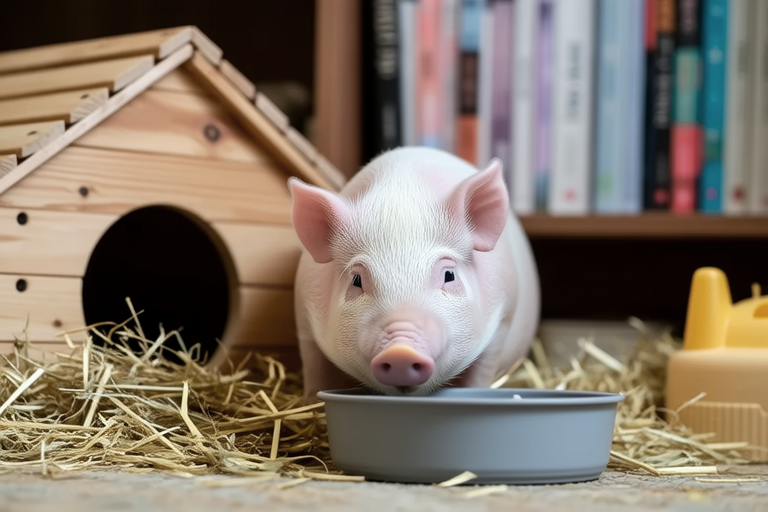
Secret Tips for Crafting the Perfect Habitat for Your Guinea Pig
Welcome to the world of guinea pigs! These delightful rodents are full of charm and require a loving home that meets their physical and emotional needs. Creating the perfect habitat for your guinea pig involves understanding their unique behaviors, preferences, and biological necessities. This comprehensive guide will walk you through essential elements like space requirements, bedding choices, hiding spots, toys, feeding areas, ventilation, temperature control, cleaning schedules, safety checks for materials, and enrichment activities. We’ll cover tips for both beginners and seasoned guinea pig owners, ensuring your furry friend lives a healthy and happy life.
Space Requirements: More Than Just a Cage
Guinea pigs are social animals that thrive in spacious environments. The minimum cage size for one guinea pig is 7.5 square feet (75×48 inches), but larger is always better. A bigger space allows for more exploration and exercise, which is crucial for their physical and mental well-being. For two guinea pigs, the recommended size increases to at least 10.5 square feet. Providing ample room prevents stress and aggression, promoting a harmonious living environment.
Bedding Choices: Soft and Safe
The right bedding is vital for your guinea pig’s comfort and hygiene. Avoid cedar and pine shavings as they can cause respiratory issues. Opt for paper-based bedding or high-quality fleece liners. These materials are soft, absorbent, and safe for your pet. Additionally, ensure the bedding is changed regularly to prevent odors and bacteria buildup. Aim for a complete bedding change every 3-5 days, depending on the number of guinea pigs and the size of the enclosure.
Hiding Spots: A Safe Place to Retreat
Guinea pigs are prey animals, and providing them with hiding spots offers a sense of security. Cardboard boxes, tunnels, and igloos make excellent hideouts. These structures should be large enough for your guinea pig to move around freely inside. Position the hideouts strategically within the habitat to encourage exploration and reduce anxiety. Rotate the hideouts periodically to keep the environment interesting and enriching.
Toys: Mental Stimulation and Physical Exercise
Toys are not just for fun; they provide essential mental stimulation and physical exercise. Chew toys, such as untreated wood blocks or hay balls, help wear down teeth that grow continuously. Tunnels and platforms promote agility and exploration. Rotate toys frequently to maintain interest and prevent boredom. Always supervise your guinea pig during playtime to ensure safety.
Feeding Areas: Easy Access to Fresh Food
Position the food bowl in a quiet corner of the habitat where your guinea pig feels safe while eating. Ensure the bowl is sturdy and easy to clean. Feed your guinea pig a diet rich in hay, fresh vegetables, and a small amount of pellets. Provide unlimited access to fresh water in a spill-proof bottle. Regularly check the food and water levels to ensure your guinea pig has sufficient resources.
Ventilation: Clean Air for Healthy Breathing
Adequate ventilation is crucial for maintaining good air quality within the habitat. Ensure the cage has proper airflow to prevent ammonia buildup from urine and waste. If your guinea pig is housed indoors, consider placing the cage near a window or using a fan to circulate fresh air. Avoid direct sunlight, as it can lead to overheating. Proper ventilation helps prevent respiratory issues and keeps your pet comfortable.
Temperature Control: Ideal Climate for Comfort
Guinea pigs prefer temperatures between 65°F and 75°F (18°C and 24°C). They are sensitive to extreme temperatures, so monitor the ambient temperature in their habitat. Use a thermometer to track temperature changes and adjust heating or cooling as needed. In colder months, provide extra bedding or a heated pad to keep your guinea pig warm. In warmer months, ensure there’s a cool spot and plenty of shade to avoid overheating.
Cleaning Schedules: Hygiene is Key
A clean habitat promotes good health and prevents disease. Develop a regular cleaning schedule to maintain hygiene. Spot-clean daily by removing soiled bedding and replacing it with fresh material. Deep clean the entire habitat weekly, washing all non-porous surfaces with pet-safe disinfectants. Allow the enclosure to dry completely before reintroducing your guinea pig. Consistent cleaning routines help maintain a healthy living environment.
Safety Checks for Materials: Ensuring Everything is Safe
All materials used in the habitat should be safe for your guinea pig. Avoid sharp edges, small parts, and toxic substances. Check toys, bedding, and accessories regularly for signs of wear and tear. Replace any damaged items immediately to prevent injury. Choose materials that are durable and free from harmful chemicals. Safety checks are essential for preventing accidents and ensuring a secure living environment.
Enrichment Activities: Keeping Your Guinea Pig Happy
Enrichment activities stimulate your guinea pig’s mind and body. Rotate toys, add new objects, and introduce novel experiences to keep your pet engaged. Consider supervised outdoor time in a secure area, where your guinea pig can explore and enjoy natural stimuli. Interactive play sessions also foster bonding and mental stimulation. Regular enrichment activities contribute to a balanced and fulfilling lifestyle for your guinea pig.
Tips for Beginners
If you’re new to guinea pig ownership, start with a spacious habitat and gradually introduce new elements. Research thoroughly to understand your pet’s dietary needs and behavior patterns. Seek advice from experienced owners or veterinarians when necessary. Begin with basic care routines and gradually incorporate more advanced practices as you gain confidence. Patience and consistency are key to building a strong bond with your guinea pig.
Tips for Advanced Owners
For those with experience, consider advanced enrichment activities and habitat modifications. Experiment with different types of toys and bedding to find what your guinea pig prefers. Implement a more detailed cleaning schedule and explore alternative feeding methods. Advanced owners can also participate in guinea pig clubs or forums to share knowledge and ideas. Continuous learning and adaptation enhance your ability to provide the best possible care for your guinea pig.
Conclusion
Creating the perfect habitat for your guinea pig is a rewarding endeavor that ensures their health and happiness. By considering space requirements, bedding choices, hiding spots, toys, feeding areas, ventilation, temperature control, cleaning schedules, safety checks for materials, and enrichment activities, you can provide a loving and stimulating environment. Whether you’re a beginner or an advanced owner, these tips will help you craft a habitat that meets your guinea pig’s unique needs. With careful attention and dedication, you’ll have a thriving companion who brings joy to your home.