
How to Safely Encounter Heterometrus Spinifer in the Wild: Tips for Pet Enthusiasts
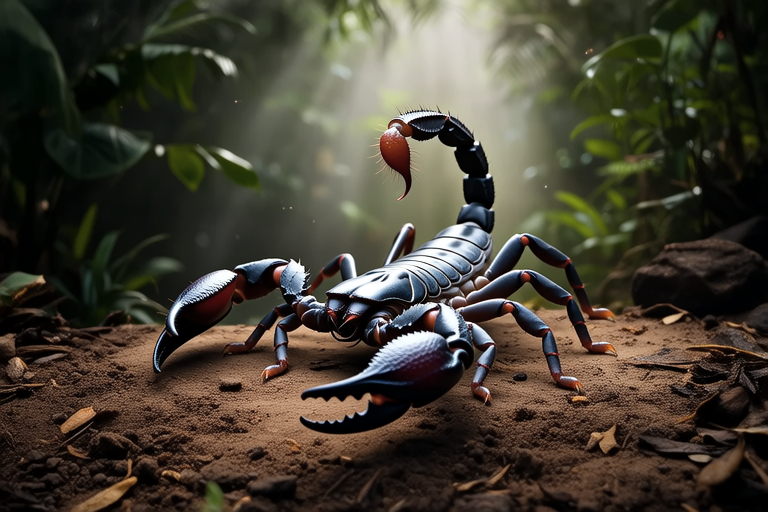
Heterometrus Spinifer, commonly known as the Asian Forest Scorpion, is a fascinating arachnid species native to Southeast Asia. This scorpion, characterized by its robust body and prominent spines, has garnered attention among exotic pet enthusiasts due to its unique appearance and manageable size. Typically ranging from 8 to 12 centimeters in length, Heterometrus Spinifer is primarily found in tropical rainforests, where it thrives in humid environments.
Their natural habitat includes dense forests, rocky areas, and areas near water bodies. These scorpions are nocturnal, preferring to hunt and move during the night when temperatures are cooler and prey is more active. Their diet consists mainly of insects, but they may also consume small vertebrates like frogs and lizards. Understanding their habitat and behavior is crucial for anyone planning to encounter these creatures in the wild.
Safety Tips for Encountering Heterometrus Spinifer in the Wild
Encountering Heterometrus Spinifer in their natural habitat can be an exciting experience for any nature enthusiast or potential pet owner. However, it’s essential to approach such encounters with caution to ensure both your safety and the well-being of the scorpion.
Precautions Before Entering the Habitat
Before venturing into the forest, prepare yourself adequately. Wear sturdy boots and long pants to protect against bites or stings from other wildlife. It’s also advisable to wear gloves and a long-sleeved shirt for additional protection. Always inform someone about your plans and expected return time, especially if you’re exploring alone.
Necessary Equipment
- Flashlight: A reliable flashlight is essential for illuminating dark paths and detecting scorpions at night. Opt for one with a red filter to minimize disturbance to nocturnal animals.
- First Aid Kit: Carry a comprehensive first aid kit that includes antihistamines, painkillers, and antiseptic wipes. In case of a sting, immediate medical attention is crucial, so keep a cell phone charged and accessible.
- Scorpion Handling Tools: Use long-handled tweezers or forceps to handle the scorpion gently. Avoid direct contact with your bare hands to prevent accidental stings.
- Camera: Capture images of the scorpion for identification purposes and to share with fellow enthusiasts. Remember, respect the creature’s space and avoid disturbing it unnecessarily.
Legal Considerations Regarding Capture and Ownership
Before capturing a Heterometrus Spinifer, it’s vital to understand the legal implications. Many countries have strict regulations regarding the importation and ownership of exotic pets. Research local laws and obtain the necessary permits before attempting to bring a scorpion home. Some regions prohibit the removal of native species from protected areas, while others require quarantine periods to prevent the spread of diseases.
In addition to legal constraints, consider the ethical implications of removing a creature from its natural habitat. Capturing a scorpion may disrupt its ecosystem and potentially harm other wildlife. If you decide to pursue a Heterometrus Spinifer as a pet, opt for responsibly bred individuals from reputable breeders rather than capturing them from the wild.
Handling and Caring for Heterometrus Spinifer Once Captured
Once you’ve obtained a Heterometrus Spinifer, it’s crucial to provide a suitable environment that mimics its natural habitat. A glass terrarium with a secure lid is ideal, ensuring the scorpion cannot escape. The enclosure should be spacious, allowing the scorpion ample room to move around comfortably. Maintain a temperature between 24°C and 28°C, with humidity levels around 70-80%. Regular misting helps maintain optimal humidity levels.
Provide hiding spots such as cork bark or artificial caves to mimic the scorpion’s natural environment. Substrate should be a mix of soil and sand, approximately 3 inches deep, to allow burrowing. Include a shallow water dish for drinking and occasional soaking. Clean the enclosure regularly to prevent the buildup of bacteria and ensure the health of your scorpion.
Feeding Heterometrus Spinifer requires live insects such as crickets, mealworms, and dubia roaches. Offer food every 2-3 days, adjusting the frequency based on the scorpion’s activity level and appetite. Ensure the insects are gut-loaded (fed nutritious food) before offering them to your scorpion. This practice enhances the nutritional value of the prey and promotes better health in your pet.
Handling your scorpion should be done with care and minimal frequency. When necessary, use long-handled tweezers or forceps to gently lift the scorpion. Always support its body to prevent injury. Avoid touching the scorpion directly, as this can provoke defensive behavior leading to a sting. If stung, seek medical attention immediately, especially if you experience severe allergic reactions.
Observing your scorpion’s behavior can provide insights into its health and well-being. Monitor its appetite, activity level, and overall demeanor. Any significant changes in behavior could indicate underlying issues requiring veterinary care. Consult a veterinarian specializing in exotic pets for regular check-ups and advice on maintaining your scorpion’s health.
Respect the life of your scorpion and treat it ethically. Provide a stimulating environment that encourages natural behaviors and promotes mental well-being. Avoid overcrowding the enclosure or keeping multiple scorpions together, as this can lead to stress and aggression. By creating a nurturing environment, you can enjoy a rewarding relationship with your Heterometrus Spinifer.
In conclusion, encountering Heterometrus Spinifer in the wild requires careful preparation and respect for the creature’s habitat. Understanding their behavior and providing a suitable environment as a pet ensures both your safety and the scorpion’s well-being. By following these guidelines, you can safely and responsibly interact with these fascinating creatures, enhancing your appreciation for the natural world.