
The Mysterious Life of Heterometrus Spinifer: Facts You Need to Know
Heterometrus spinifer, commonly known as the Asian forest scorpion, is one of the most fascinating creatures in the arachnid world. This elusive species has intrigued scientists and nature enthusiasts alike with its unique physical attributes, complex behaviors, and vital role within its ecosystem. In this article, we will explore the life of Heterometrus spinifer, providing you with essential facts and dispelling common myths surrounding this mysterious creature.
Physical Characteristics
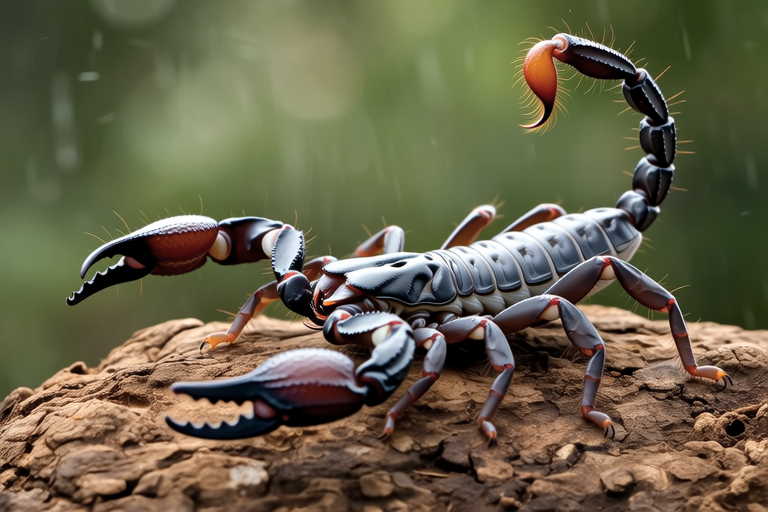
The Heterometrus spinifer is a medium-sized scorpion, typically reaching lengths between 8 to 12 centimeters. It possesses a robust body structure, characterized by a pair of large pincers (chelae) at the front and a segmented tail tipped with a venomous stinger. The carapace, or cephalothorax, is wide and flattened, aiding in the efficient capture of prey. One of the most striking features of this species is its distinct spines located on the pedipalps and legs, which serve both defensive and sensory purposes.
Unlike many other scorpions, Heterometrus spinifer exhibits a relatively light coloration, ranging from yellowish-brown to dark brown. This coloration helps it blend into its natural environment, providing effective camouflage against predators. The species’ eyesight is limited; however, they possess highly sensitive tactile hairs and chemoreceptors that enable them to detect vibrations and chemical signals in their surroundings.
Habitat and Distribution
Heterometrus spinifer is native to Southeast Asia, particularly found in countries such as Thailand, Malaysia, Indonesia, and parts of India. These scorpions thrive in tropical rainforests, where they inhabit humid environments beneath rocks, logs, and leaf litter. They prefer areas rich in organic matter and moisture, which provide ample hiding spots and food sources. Additionally, Heterometrus spinifer can also be encountered in human-modified landscapes like gardens and agricultural fields, where they may seek refuge under debris or within tree hollows.
The adaptability of Heterometrus spinifer allows it to survive in diverse habitats, from dense jungles to open woodlands. However, deforestation and urbanization pose significant threats to their natural habitat, potentially leading to population declines if conservation efforts are not implemented.
Diet and Feeding Behavior
As carnivorous predators, Heterometrus spinifer primarily feeds on small insects, spiders, and other arthropods. Their diet consists mainly of crickets, beetles, ants, and occasionally even smaller scorpions. Hunting techniques vary depending on the situation but generally involve ambush predation. The scorpion remains motionless, concealed within its hiding place until a suitable prey item passes by. Once detected, it quickly seizes the prey using its powerful chelae before injecting venom through its stinger to immobilize or kill the victim.
The venom of Heterometrus spinifer contains a cocktail of neurotoxins designed to paralyze or kill prey efficiently. While potent enough to subdue small animals, it poses minimal danger to humans unless provoked. Nevertheless, caution should always be exercised when encountering these creatures in the wild.
Behavior and Social Structure
Scorpions are solitary animals, spending most of their lives alone except during mating periods. Males engage in elaborate courtship rituals involving complex dances to attract females. After successful mating, female Heterometrus spinifer give birth to live young after carrying eggs internally for several months. Newborn scorpions remain attached to their mother’s back for protection until they molt for the first time, usually within days or weeks post-birth.
Despite being solitary, Heterometrus spinifer exhibits territorial behavior, marking specific areas as their own using pheromones secreted from glands located near their anus. These scent trails help individuals identify familiar territory and avoid unnecessary conflicts with others.
Role in Ecosystems
In addition to serving as apex predators within their microhabitats, Heterometrus spinifer plays crucial roles in maintaining ecological balance. By controlling populations of various insect species, they prevent overpopulation and subsequent damage to plants and crops. Moreover, their presence indicates healthy ecosystems teeming with biodiversity.
Furthermore, Heterometrus spinifer serves as prey for numerous predators, including birds, mammals, reptiles, and amphibians. This interdependence underscores the importance of conserving this species for overall ecosystem stability.
Threats and Conservation
Unfortunately, Heterometrus spinifer faces several challenges threatening its survival. Habitat loss due to deforestation and urban expansion represents one of the primary concerns. As forests disappear, so too do suitable habitats for these scorpions, forcing them into increasingly fragmented and unsuitable environments.
Pollution and pesticide use further exacerbate the problem by contaminating water sources and reducing available prey. Climate change could also impact Heterometrus spinifer‘s ability to adapt to shifting weather patterns, potentially altering their distribution range.
To address these issues, conservation initiatives focused on preserving intact forest patches and promoting sustainable land-use practices are essential. Education campaigns aimed at raising awareness among local communities about the value of protecting native wildlife can also contribute positively towards safeguarding Heterometrus spinifer.
Misconceptions About Heterometrus Spinifer
One prevalent misconception regarding Heterometrus spinifer involves the perception of all scorpions as dangerous creatures capable of delivering lethal bites. In reality, while capable of inflicting painful stings, only a handful of scorpion species worldwide possess venom potent enough to cause severe harm to humans. For instance, the venom of Heterometrus spinifer rarely causes serious health complications beyond localized pain, swelling, and discomfort.
Another myth suggests that scorpions glow under ultraviolet light because they produce bioluminescence. Instead, what appears as fluorescence occurs when certain chemicals within their exoskeleton absorb UV radiation and reemit it as visible light. This phenomenon aids researchers in locating scorpions during nighttime surveys but does not indicate inherent luminosity.
Conclusion
The Heterometrus spinifer stands out as an extraordinary example of adaptation and resilience within the animal kingdom. Its intricate anatomy, behavioral adaptations, and indispensable role within ecosystems make it a subject worthy of admiration and respect. By understanding more about this remarkable species, we gain valuable insights into broader ecological principles and underscore the necessity of preserving Earth’s biodiversity.
As stewards of our planet, it is incumbent upon us to recognize the significance of creatures like Heterometrus spinifer and work collectively toward ensuring their continued existence for future generations to appreciate and study.