
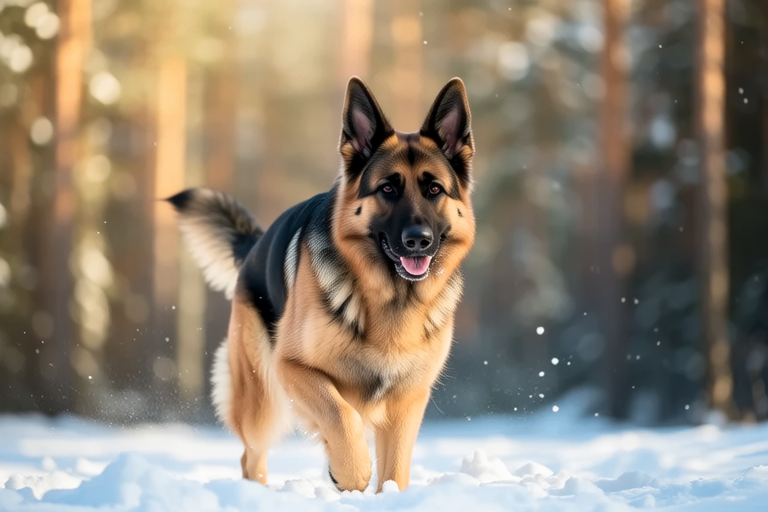
Unveiling the Intelligence: How German Shepherds Excel in Various Roles
The German Shepherd is one of the most recognizable and versatile breeds of dogs, known worldwide for its loyalty, strength, and intelligence. Originating in Germany in the late 19th century, the breed was developed to herd sheep and other livestock. Max von Stephanitz, a cavalry officer, played a pivotal role in shaping the breed, emphasizing intelligence and utility over mere appearance. Since then, German Shepherds have evolved into formidable working dogs, excelling in numerous roles.
German Shepherds possess an intelligence quotient that ranks them among the top breeds. Their cognitive abilities enable them to learn new commands quickly and perform complex tasks with precision. This high level of intelligence makes them ideal candidates for various professional roles, from police work to search and rescue missions. Understanding the depth of their intelligence is essential for prospective owners, as it underscores the importance of proper training and care.
Police Work
German Shepherds are renowned for their contributions to law enforcement. Their keen sense of smell, combined with their ability to follow complex commands, makes them invaluable partners for police officers. These dogs are trained to detect narcotics, explosives, and missing persons, often leading to successful outcomes in critical situations.
One notable example is Rex, a German Shepherd who served with the Metropolitan Police Service in London. Rex’s career spanned several years, during which he helped locate more than 400 pounds of cocaine, contributing significantly to the fight against drug trafficking. His success highlights the breed’s capability to excel in high-pressure environments.
Training for police work involves rigorous physical conditioning and mental stimulation. Handlers must establish strong bonds with their dogs, fostering trust and communication. The training regimen includes scent detection exercises, obedience drills, and scenario-based simulations. Proper socialization and early exposure to various stimuli are crucial for developing well-rounded working dogs.
Search and Rescue
German Shepherds are also indispensable in search and rescue operations. Their exceptional sense of smell allows them to locate missing individuals in diverse environments, from dense forests to urban disaster sites. These dogs can detect human scents even when buried under debris or hidden in remote areas.
In 2010, a German Shepherd named Diesel played a pivotal role in the aftermath of the Haiti earthquake. Diesel was part of a team deployed to locate survivors trapped beneath collapsed buildings. His efforts contributed to saving lives, demonstrating the breed’s adaptability and resilience in challenging conditions.
Training for search and rescue involves teaching dogs to recognize human odors and respond to specific cues. Handlers must simulate real-world scenarios to prepare their dogs for the unpredictable nature of rescue missions. Continuous practice and reinforcement ensure that these dogs remain effective in their roles.
Assistance for Individuals with Disabilities
German Shepherds are frequently employed as service animals, providing support to individuals with disabilities. They assist people with visual impairments, hearing loss, and mobility challenges, enhancing their independence and quality of life. These dogs are trained to perform specific tasks, such as guiding their handlers, alerting them to sounds, or retrieving items.
For instance, a German Shepherd named Bella has been a loyal companion to her handler, Sarah, who is visually impaired. Bella helps Sarah navigate through crowded streets and public spaces, ensuring her safety and confidence. Bella’s attentiveness and reliability exemplify the breed’s commitment to serving others.
The training process for service dogs is intensive and tailored to the individual needs of both the dog and the handler. Trainers focus on building trust, reinforcing positive behaviors, and teaching the necessary skills. Socialization plays a critical role in preparing these dogs for the diverse environments they will encounter.
Companionship
Beyond their professional roles, German Shepherds are cherished family pets, offering unwavering companionship and affection. Their loyalty and protective instincts make them excellent guardians for households. However, their intelligence requires mental and physical stimulation to prevent boredom and destructive behavior.
Owners should engage their German Shepherds in activities that challenge their minds and bodies, such as puzzle toys, agility courses, and obedience training. Providing outlets for their energy and intellect ensures that these dogs remain happy and well-adjusted.
Proper training and socialization are essential for German Shepherds to thrive in a home environment. Early exposure to various stimuli helps them develop into well-behaved and confident pets. Consistent reinforcement of good behavior and clear communication between owner and dog foster a strong bond.
Training Methods
To bring out the full potential of German Shepherds, trainers employ a variety of methods that emphasize positive reinforcement, consistency, and patience. Positive reinforcement techniques involve rewarding desired behaviors with treats, praise, or playtime. This approach encourages dogs to repeat those behaviors, strengthening the connection between actions and rewards.
Consistency is key in training German Shepherds. Handlers must apply the same rules and commands consistently, ensuring that the dog understands what is expected of them. Patience is equally important, as some tasks may take time for the dog to master. Handlers should celebrate small victories along the way, maintaining a positive and encouraging atmosphere.
Socialization is another crucial aspect of training. Exposing German Shepherds to various environments, people, and other animals from an early age helps them develop into well-rounded and adaptable dogs. This exposure reduces the likelihood of fear-based aggression and promotes a friendly demeanor.
Understanding Their Intelligence
Understanding the intelligence of German Shepherds is crucial for prospective owners. Recognizing their cognitive abilities allows owners to provide appropriate challenges and stimulation, preventing boredom and behavioral issues. By acknowledging their intelligence, owners can foster a deeper bond with their dogs, enhancing their overall well-being.
Owners should invest time in learning about the breed’s characteristics and requirements. Consulting with experienced trainers or joining local dog clubs can provide valuable insights and resources. Embracing the intelligence of German Shepherds leads to fulfilling relationships and rewarding experiences for both dogs and owners.
German Shepherds are remarkable dogs, capable of excelling in various roles due to their intelligence and versatility. From police work to companionship, these dogs demonstrate their value in countless ways. By understanding their intelligence and providing proper training and care, owners can unlock the full potential of their German Shepherds, creating lasting and meaningful connections.