
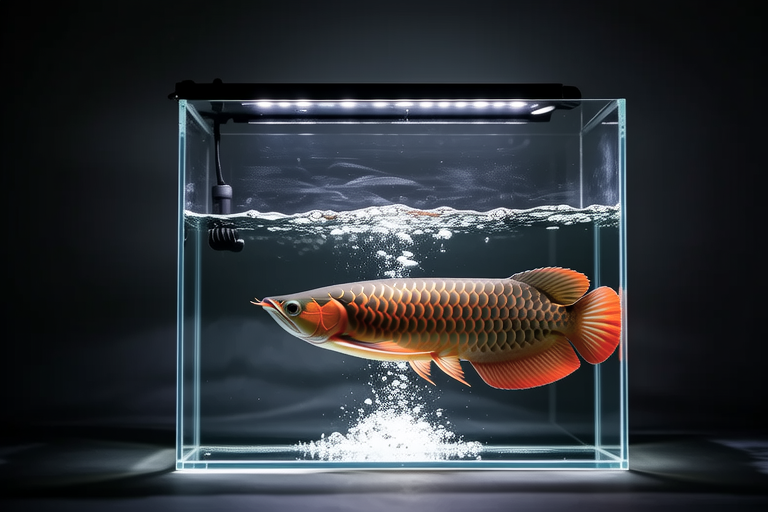
How to Create an Optimal Habitat for Your Exotic Arowana Pet
Exotic pets such as Arowanas require specific care to thrive. This article will guide you through creating the perfect habitat for your Arowana, covering tank size and setup, water quality, filtration, lighting, substrate, diet, feeding habits, tank mates, maintenance, and health issues.
Understanding the Arowana
The Arowana, also known as Asian Arowana or Dragon Fish, is a fascinating and majestic creature native to Southeast Asia. These fish can grow up to 3 feet long and live up to 20 years. They are highly intelligent and can recognize their caretakers. Arowanas are carnivorous and need a well-planned tank environment to flourish.
Ideal Tank Size and Setup
Arowanas are large, active fish that need ample space. For a single adult, a minimum tank size of 180 gallons is recommended. The tank should be long and wide, with a minimum length of 6 feet. The depth should be at least 24 inches to allow the fish to swim freely. A larger tank will benefit multiple Arowanas.
Ensure the tank has a secure lid to prevent jumping. Use heavy-duty glass or acrylic, as Arowanas are strong swimmers. Install a sturdy filter capable of handling the tank’s volume. Include a heater, thermometer, and a reliable power supply for maintaining water temperature.
Water Quality Parameters
For optimal health, maintain the following water parameters:
- Temperature: Keep the water between 78°F and 82°F.
- pH: Maintain a pH level between 6.5 and 7.5.
- Hardness: Aim for a hardness range of 5 to 12 dGH.
- Ammonia and Nitrite: Zero levels are crucial.
- Nitrate: Below 20 ppm is recommended.
Regularly test these parameters using a reliable water testing kit.
Filtration and Aeration Systems
A robust filtration system is essential for removing waste and maintaining water quality. Choose a filter with a flow rate of at least 10 times the tank’s volume per hour. A combination of mechanical, biological, and chemical filtration works best. Use a high-quality internal or external filter.
Install an efficient air pump and diffuser to ensure adequate oxygenation. Arowanas are surface feeders and prefer well-oxygenated water. Ensure the water surface moves gently but steadily.
Lighting Requirements
Provide 10-12 hours of light daily using full-spectrum LED lights. Avoid excessively bright lights to prevent stress. Dimmable lights are preferable for gradual sunrise and sunset effects. Use a timer to automate the lighting schedule.
Appropriate Substrate and Decorations
Use smooth, non-abrasive gravel or sand as substrate. Avoid sharp objects that could injure the fish. Decorate the tank with caves, driftwood, and plants. Ensure there are no sharp edges or small parts that could cause injury. Provide hiding spots for the Arowana to feel secure.
Diet Specifics and Feeding Habits
Arowanas are carnivorous and eat live or frozen foods like feeder fish, shrimp, and worms. Supplement their diet with high-quality pellets designed for large carnivorous fish. Feed them twice daily, providing enough food for them to consume within 5 minutes. Monitor their feeding habits and adjust portions accordingly.
Tank Mates Compatibility
Arowanas are generally aggressive and territorial. Choose tank mates carefully. Suitable companions include other large, peaceful species like Oscars, Jack Dempseys, and large cichlids. Avoid smaller fish, as they may become prey. Introduce new tank mates gradually and monitor interactions closely.
Regular Maintenance Tips
Perform weekly partial water changes, replacing about 10-20% of the water. Clean the filter regularly and replace its media as needed. Check water parameters frequently and adjust as necessary. Inspect the tank and equipment daily for any signs of wear or malfunction.
Common Health Issues and Preventive Measures
Monitor your Arowana for signs of illness, such as lethargy, loss of appetite, or unusual behavior. Common health issues include bacterial infections, parasites, and fungal growth. Prevent these by maintaining excellent water quality and providing a balanced diet.
If you notice any symptoms, consult a veterinarian specializing in exotic fish. Early intervention is crucial for effective treatment. Quarantine new additions to the tank for at least 4 weeks before introducing them to the main tank to prevent disease transmission.
Conclusion
Creating an optimal habitat for your Arowana requires careful planning and attention to detail. By understanding their needs and providing a suitable environment, you can ensure your pet thrives and enjoys a long, healthy life. Regular maintenance, monitoring, and adjustments are key to maintaining a happy and healthy Arowana.