
Siamese Cats: A Comprehensive Guide
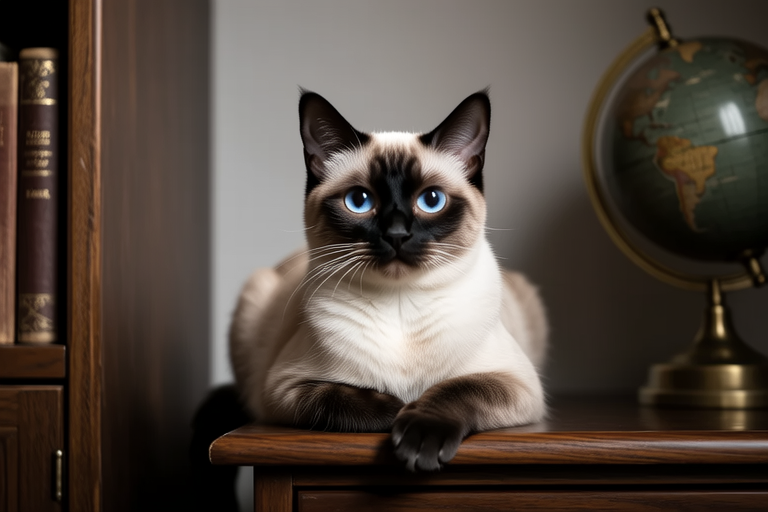
The Siamese cat is one of the most recognizable and beloved feline breeds, known for its striking blue almond-shaped eyes, point coloration, and sleek physique. Originating from Thailand, formerly known as Siam, this breed has a rich history and unique set of characteristics that make it an intriguing companion for cat lovers. In this article, we will explore the origins, physical traits, vocal tendencies, intelligence levels, social habits, and common health issues of Siamese cats. We’ll also delve into their distinctive personality traits, suitability for various household environments, and provide insights on training and caring for these fascinating creatures.
Origins and History
The Siamese cat has a long and storied history that dates back centuries. These cats were once revered in ancient Siam (modern-day Thailand) and were often kept in royal palaces. According to legend, Siamese cats were sacred and were believed to be the guardians of temples and homes. They were said to have been entrusted with the task of protecting valuable items, including the king’s personal seals. The first Siamese cats arrived in Europe and North America in the late 19th century, where they quickly became popular due to their striking appearance and unique personalities.
Over time, Siamese cats have undergone selective breeding, leading to different variations within the breed. Today, there are two main types of Siamese cats: traditional and modern. Traditional Siamese cats have a more robust body structure and rounder faces, resembling their ancestors. Modern Siamese cats, on the other hand, have a leaner build and a wedge-shaped head, which is the result of more recent breeding practices.
Physical Traits
Siamese cats are known for their distinctive physical features, which include:
- Point Coloration: One of the most notable characteristics of Siamese cats is their point coloration, where the body is typically a light cream or fawn color, while the face, ears, paws, and tail are darker. This coloration is the result of a temperature-sensitive gene that causes pigmentation to concentrate in cooler areas of the body.
- Blue Almond-Shaped Eyes: Siamese cats have striking blue almond-shaped eyes that give them a unique and expressive appearance. Their eyes are large and wide-set, providing excellent vision.
- Sleek Physique: Siamese cats have a slender, muscular build with a graceful and elegant posture. They are medium-sized cats, weighing between 8 and 15 pounds, depending on their age and gender.
- Distinctive Markings: In addition to their point coloration, Siamese cats often have white “blaze” markings on their forehead, which resemble a letter “M.”
Vocal Tendencies
One of the most distinctive traits of Siamese cats is their tendency to be vocal. Siamese cats are known for their “talking,” which refers to their ability to produce a wide range of vocalizations, from meows to chirps and trills. They are highly communicative and often seek attention from their owners through their vocalizations. Some Siamese cats are even known to engage in conversations with their owners, responding to questions or comments with their own vocalizations.
This vocal behavior can be both endearing and challenging, especially for those who prefer a quieter household. However, it is an important aspect of the Siamese cat’s personality and should be embraced as part of their unique charm. Owners of Siamese cats often find themselves forming deep bonds with their pets through these interactions.
Intelligence Levels
Siamese cats are considered one of the smartest cat breeds, with a high level of curiosity and problem-solving skills. They are known for their ability to learn tricks and respond to commands, making them excellent candidates for training. Siamese cats are also highly observant and often anticipate their owner’s actions, such as knowing when it’s time for feeding or playtime.
A study conducted by Dr. John Bradshaw, a renowned anthrozoologist, found that Siamese cats are particularly adept at understanding human gestures and facial expressions. This heightened awareness allows them to form strong emotional bonds with their owners and respond to their needs with remarkable sensitivity.
Social Habits
Siamese cats are highly social animals that thrive in the company of humans and other pets. They are known for their affectionate nature and often form strong attachments to their owners. Siamese cats enjoy spending time with their families and are often found following their owners around the house, seeking attention and companionship. They are also known to be very playful and enjoy interactive toys and games, such as fetch or laser pointers.
In multi-cat households, Siamese cats tend to get along well with other cats, provided there is enough space and resources for each cat. However, some Siamese cats may become territorial if they feel threatened or if there is competition for attention. It is important to introduce new pets gradually and ensure that all cats have access to their own food, water, and litter box.
Distinctive Personality Traits
Siamese cats are known for their unique combination of affection, vocalization, curiosity, and playfulness. These traits make them highly interactive and entertaining companions for their owners. Siamese cats are often described as being “dog-like” in their behavior, as they enjoy following their owners around and participating in family activities. They are also known for their loyalty and devotion, often forming strong bonds with their owners and seeking their approval and affection.
In addition to their affectionate nature, Siamese cats are highly intelligent and curious, often exploring their surroundings and investigating new objects or situations. They are also known for their playful nature, enjoying interactive toys and games that challenge their problem-solving skills. Siamese cats are often described as being “clowns” due to their mischievous and entertaining behavior.
Suitability for Various Households
Siamese cats are well-suited for households that can provide them with plenty of attention and stimulation. They thrive in environments where they are treated like members of the family and are given opportunities to interact with their owners. Siamese cats are particularly well-suited for households with children or other pets, as they are generally tolerant and affectionate towards others. However, it is important to supervise interactions between young children and pets to ensure the safety of both parties.
Siamese cats are also well-suited for households that can provide them with mental and physical stimulation. They enjoy playing with interactive toys and games that challenge their problem-solving skills. Siamese cats are also known for their love of climbing and perching, so providing them with cat trees or shelves can help satisfy their need for vertical space.
Training and Caring for Siamese Cats
Siamese cats are highly trainable and can be taught a variety of tricks and commands. Positive reinforcement techniques, such as treats and praise, are effective for teaching Siamese cats new behaviors. Siamese cats are also known for their ability to learn from observation, so it is important to set a good example and avoid negative behaviors that you do not want your cat to imitate.
In terms of diet, Siamese cats should be fed a balanced and nutritious diet that meets their nutritional needs. Wet food is generally recommended for Siamese cats, as it provides them with the moisture they need to stay hydrated. Dry food can be offered as a supplement, but it should not be the primary source of nutrition. It is important to consult with a veterinarian to determine the appropriate diet for your Siamese cat based on their age, weight, and overall health.
Siamese cats also require regular exercise to maintain their physical and mental health. Interactive toys, such as feather wands or laser pointers, can help stimulate their minds and bodies. Providing them with opportunities to climb and perch can also help satisfy their need for vertical space. Regular grooming is also important for maintaining the health of Siamese cats’ coats. Brushing their fur regularly can help remove loose hair and prevent matting.
Common Health Issues
Siamese cats are generally healthy and have a relatively long lifespan, with an average life expectancy of 12 to 15 years. However, like all cat breeds, Siamese cats are prone to certain health issues. Some of the most common health problems in Siamese cats include:
- Respiratory Problems: Siamese cats are more susceptible to upper respiratory infections, which can cause sneezing, coughing, and nasal discharge. It is important to keep Siamese cats indoors to reduce their exposure to outdoor allergens and pathogens.
- Eye Problems: Siamese cats are prone to eye problems, including glaucoma and progressive retinal atrophy. Regular veterinary check-ups can help detect and treat these conditions early.
- Heart Disease: Siamese cats are also at higher risk for heart disease, particularly hypertrophic cardiomyopathy. Early detection and treatment can improve the prognosis for affected cats.
Comparison with Other Cat Breeds
When compared to other cat breeds, Siamese cats stand out for their unique combination of affection, vocalization, intelligence, and playfulness. While many cat breeds are known for their independence and aloofness, Siamese cats are highly social and seek constant interaction with their owners. This makes them ideal companions for those who enjoy spending time with their pets and are willing to provide them with plenty of attention and stimulation.
Other cat breeds, such as Maine Coons and Ragdolls, are also known for their affectionate and social nature, but they tend to be more independent than Siamese cats. Siamese cats are also more vocal than many other cat breeds, which can be both a blessing and a curse for their owners. While their vocalizations can be endearing, they can also be disruptive if not managed properly.
Anecdotes and Studies
There are many anecdotes and studies that highlight the complex and fascinating nature of Siamese cats. For example, a study published in the Journal of Veterinary Behavior found that Siamese cats are particularly adept at reading human emotions and responding accordingly. Another anecdote involves a Siamese cat named Shadow, who was known for his ability to open doors and cabinets, often helping himself to snacks and treats.
These stories and studies demonstrate the unique and captivating nature of Siamese cats, making them a popular choice for cat lovers around the world.
Conclusion
Siamese cats are a fascinating and beloved breed with a rich history and unique set of characteristics. From their striking physical features to their vocal tendencies and intelligence, Siamese cats offer a wealth of personality and charm. With proper care and attention, Siamese cats can make wonderful companions for those who are willing to provide them with the attention and stimulation they need. Whether you’re a seasoned cat owner or considering adopting your first pet, Siamese cats are sure to captivate and delight you with their unique and endearing qualities.