
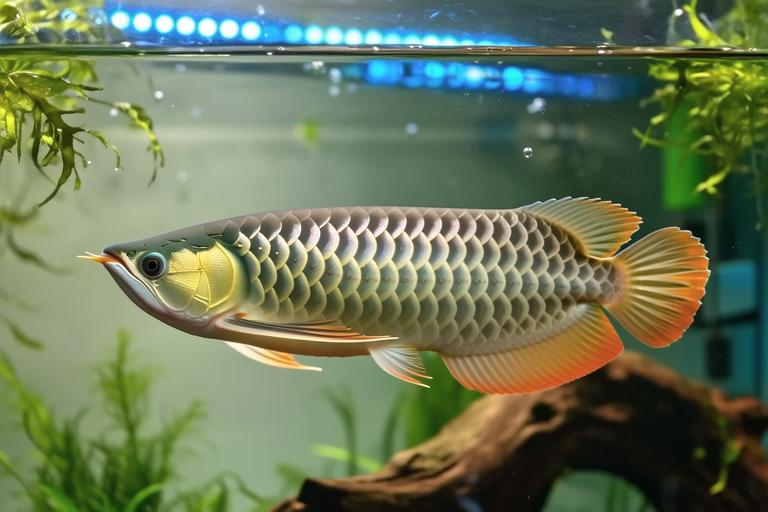
Top Tips for Keeping Arowana Healthy and Thriving at Home
Arowanas are majestic, highly intelligent fish known for their striking appearance and impressive jumping abilities. These ancient creatures have been around for millions of years, making them a popular choice among aquarium enthusiasts. However, keeping an Arowana healthy and thriving requires specific knowledge about their needs and care. This comprehensive guide provides essential advice on optimal tank setup, water parameters, diet specifics, and maintenance routines to ensure your Arowana thrives in its new home.
Understanding Arowana’s Natural Habitat
To provide the best possible living conditions for your Arowana, it is crucial to understand their natural habitat. Arowanas are native to tropical regions across South America, Africa, and Asia. They prefer warm, slow-moving waters with dense vegetation, where they can hunt for prey and find shelter. By replicating these conditions in your aquarium, you can create a stimulating environment that mimics their natural habitat.
Optimal Tank Setup
Tank Size and Shape
Arowanas are large, active fish that require ample space to swim and explore. As a general rule, each adult Arowana should have at least 20 gallons of water per inch of body length. For example, a 12-inch Arowana would need a minimum tank size of 240 gallons. The tank should be long and spacious, allowing the fish to swim back and forth comfortably. Avoid tall, narrow tanks as they restrict movement and can cause stress.
Substrate and Decorations
The substrate in your Arowana tank should be fine-grained to prevent injury from sharp edges. Gravel or sand are suitable options, but avoid using sharp or rough materials like crushed coral or jagged rocks. To mimic their natural habitat, add plants, driftwood, and caves. Live plants such as Java fern, Amazon sword, and Anubias are excellent choices as they provide hiding spots and contribute to water quality. Decorations should be securely anchored to prevent shifting during the Arowana’s energetic swimming.
Filtration and Aeration
Arowanas produce a significant amount of waste, so proper filtration is essential. A high-quality external filter with strong mechanical and biological filtration capabilities will help maintain water clarity and remove harmful substances. Additionally, aeration is vital for maintaining oxygen levels. Use air stones or powerheads to create gentle water movement and ensure adequate oxygenation. Regularly clean the filter media and replace it when necessary to prevent clogging and maintain efficiency.
Water Parameters
Temperature and pH Levels
Arowanas thrive in warm, slightly acidic water. Maintain a temperature between 78°F and 86°F (25°C to 30°C) using a reliable heater. The pH level should be between 6.5 and 7.5, which can be adjusted using appropriate pH buffers if needed. Regularly monitor these parameters using a reliable test kit to ensure optimal conditions for your Arowana.
Water Hardness and Chlorine Removal
Arowanas prefer soft to moderately hard water with a hardness range of 5 to 12 dGH. If your tap water has higher mineral content, consider using reverse osmosis (RO) or deionized (DI) water to dilute it. Chlorine and chloramines found in tap water can be harmful to fish, so always treat it with a suitable conditioner before adding it to the tank. Regular water changes are also important to maintain water quality and prevent the buildup of harmful substances.
Diet Specifics
Arowanas are carnivorous and require a balanced diet rich in protein to thrive. In the wild, they feed on insects, small fish, crustaceans, and other aquatic animals. Replicate this diet by offering a variety of live, frozen, and freeze-dried foods. High-quality pellets and sticks formulated for large carnivorous fish can also be included in their diet. Feed your Arowana twice daily, providing as much food as it can consume within five minutes. Overfeeding can lead to poor water quality and health issues, so monitor feeding closely.
Maintenance Routines
Regular Water Changes
Perform weekly water changes of approximately 10-15% to maintain water quality and remove accumulated waste. During water changes, carefully siphon debris from the substrate and clean the tank walls to prevent algae growth. Be cautious when handling the Arowana to avoid stressing it. Use a net specifically designed for large fish to minimize handling stress.
Cleaning Equipment and Accessories
In addition to water changes, regularly clean all equipment and accessories in the tank. Remove and clean filters, heaters, and decorations every few weeks to prevent the buildup of bacteria and debris. Use a mild aquarium-safe cleaner and rinse thoroughly with treated water before returning items to the tank. Proper cleaning helps maintain water quality and prevents potential health issues.
Signs of a Healthy Arowana
Monitoring your Arowana’s behavior and physical condition is essential for early detection of any health issues. A healthy Arowana should exhibit the following signs:
- Active swimming patterns and responsive behavior
- Clear eyes and intact fins without signs of damage or discoloration
- Good appetite and regular feeding habits
- No visible parasites or lesions on the body
- Bright colors and overall healthy appearance
If you notice any changes in your Arowana’s behavior or physical condition, consult with a veterinarian specializing in exotic fish for proper diagnosis and treatment.
Creating a Stimulating Environment
Providing Hiding Spots
Arowanas are territorial and may feel stressed if they lack hiding spots. Offer caves, tunnels, and densely planted areas where the fish can retreat when feeling threatened. This helps reduce stress and promotes a more relaxed environment.
Encouraging Natural Behavior
To encourage natural behaviors, provide floating plants and surfaces where the Arowana can jump. This allows them to display their unique jumping abilities and helps keep them mentally stimulated. Additionally, incorporate live prey into their diet occasionally to replicate hunting experiences and promote mental engagement.
Introducing Compatible Tank Mates
While Arowanas are generally solitary fish, some species can coexist with compatible tank mates. Research the specific species of Arowana you own and choose tank mates based on size, temperament, and compatibility. Avoid aggressive or territorial fish that may compete for resources or engage in conflicts. Always introduce new fish gradually to allow for acclimation and reduce stress.
Conclusion
Keeping an Arowana healthy and thriving at home requires attention to detail and commitment to providing optimal living conditions. By understanding their natural habitat, setting up an appropriate tank, maintaining proper water parameters, and following a nutritious diet, you can ensure your Arowana lives a long and happy life. Regular monitoring, maintenance routines, and a stimulating environment will further enhance their well-being and enjoyment of their new home. With these top tips, both novice and experienced aquarists can successfully care for these magnificent creatures.