
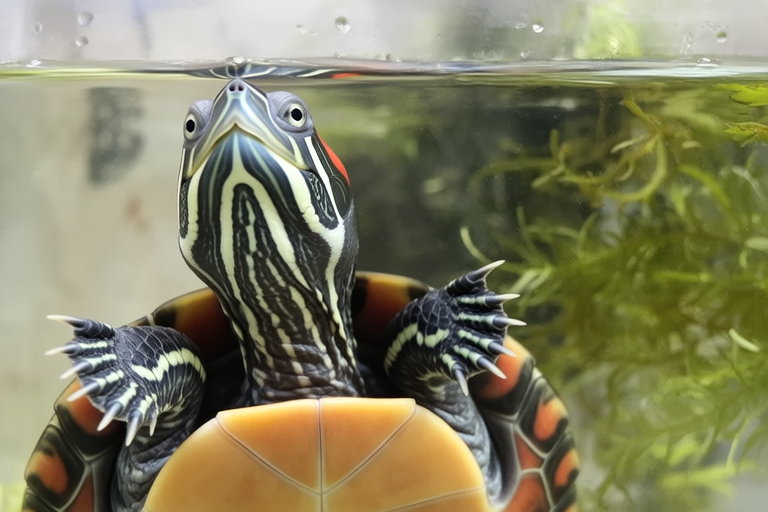
Top 10 Care Tips for Your Red-eared Slider Turtle
The red-eared slider turtle (Trachemys scripta elegans) is one of the most popular pet turtles in the world due to its attractive appearance and relatively low maintenance. However, providing the best care for your red-eared slider requires more than just a tank and some food. This comprehensive guide will walk you through the top 10 care tips for ensuring your turtle’s health and happiness.
1. Proper Habitat Setup
A well-designed habitat is crucial for the health of your red-eared slider. The enclosure should have both water and land areas. For young turtles, a 20-gallon tank is sufficient, but as they grow, so should their living space. An adult red-eared slider requires at least 40 gallons of water per inch of shell length. The water should be filtered and kept clean, with a basking platform that allows the turtle to fully dry off.
2. Temperature and Lighting Needs
Maintaining the correct temperature gradient within the enclosure is vital. The water temperature should range between 75°F and 80°F, while the basking spot should reach about 90°F. Use a reliable thermometer to monitor these temperatures. Additionally, provide UVB lighting to help your turtle synthesize vitamin D3, which aids in calcium absorption. A 10% UVB output is recommended, and the light should be replaced every six months.
3. Diet and Nutrition
A balanced diet is key to maintaining your turtle’s health. Offer a mix of commercial turtle pellets, leafy greens, and occasional treats like earthworms or feeder fish. Young sliders need more protein, while adults require a diet rich in vegetables and fruits. Feed your turtle daily, but only what it can consume in 10 to 15 minutes. Overfeeding can lead to obesity and other health issues.
4. Health Monitoring and Preventive Measures
Regularly check your turtle for signs of illness, such as lethargy, swollen eyes, or irregularities in eating habits. Schedule annual veterinary check-ups to catch any potential health issues early. Maintain good hygiene by cleaning the enclosure regularly and ensuring proper filtration and water quality. Quarantine new turtles for at least 60 days before introducing them to your existing tank to prevent the spread of diseases.
5. Cleaning Routines
Regular cleaning of the enclosure is necessary to keep your turtle healthy. Perform a partial water change (about 25%) once a week, and a full water change monthly. Clean the filter and basking area thoroughly during each partial water change. Scrub algae from surfaces and replace any substrate or decorations that show signs of wear or contamination. Disinfect tools and accessories used in the enclosure with a reptile-safe disinfectant.
6. Safe Handling Practices
Handle your red-eared slider carefully to avoid stress and injury. Wash your hands before and after handling to prevent the spread of bacteria. Support the turtle’s body, especially its shell, when lifting it out of the water. Avoid holding the turtle by its limbs or tail, as this can cause damage. Be gentle and respectful, allowing the turtle time to adjust to your presence.
7. Growth Stages Considerations
Red-eared sliders grow rapidly during their first few years of life. Young turtles require more protein in their diet and a higher ambient temperature compared to adults. As they mature, their dietary needs shift towards a higher proportion of plant matter. Adjust the size of the enclosure and the amount of food accordingly to accommodate their changing needs.
8. Potential Common Diseases and Their Prevention
Respiratory infections, shell rot, and metabolic bone disease are common issues among red-eared sliders. Respiratory infections can occur if the water is too cold or if the turtle remains in the water for extended periods. Shell rot often results from poor water quality or physical trauma. Metabolic bone disease arises from inadequate calcium intake or insufficient UVB lighting. Regular health checks, proper diet, and appropriate environmental conditions can help prevent these problems.
9. Interaction Guidelines
While red-eared sliders may seem friendly, they are not social animals and do not enjoy prolonged interactions with humans. Limit handling to necessary tasks like feeding and cleaning. Provide hiding spots within the enclosure to give your turtle a sense of security. Respect your turtle’s need for privacy and allow it to establish its own routine.
10. Creating an Enriching Environment
To stimulate your turtle’s natural behaviors and promote overall well-being, create an engaging environment. Offer a variety of substrates, such as smooth stones or aquatic plants, to encourage exploration. Introduce floating logs or platforms to provide additional basking spots. Rotate toys and decorations periodically to maintain interest. Encourage swimming and climbing by incorporating ramps or underwater caves. These enrichments can enhance your turtle’s quality of life.
In conclusion, caring for a red-eared slider turtle involves more than just feeding and housing. By following these top 10 care tips, you can ensure your turtle thrives in a healthy and stimulating environment. Remember, the effort you put into your turtle’s care today will contribute to its long-term health and happiness. With proper attention and dedication, you and your red-eared slider can enjoy many years together.