
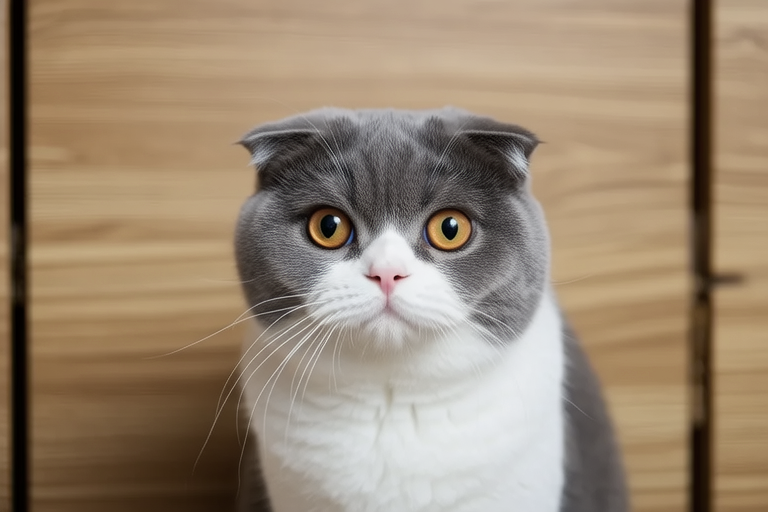
The Scottish Fold: From Rare Breed to Internet Sensation
The Scottish Fold is a unique and captivating cat breed that has captured the hearts of millions worldwide. Originating in Scotland, this breed has evolved from a rare and almost unknown feline into a global internet sensation. With its distinctive folded ears and charming demeanor, the Scottish Fold has become a favorite among cat enthusiasts and social media users alike. This article delves into the history, physical traits, temperament, health considerations, and the breed’s rise to fame, providing an engaging and comprehensive overview of this beloved breed.
Origins and Historical Background
The Scottish Fold breed traces its roots back to a barn cat named Susie, who lived near Coupar Angus, Scotland. In 1961, Susie gave birth to a litter with one kitten possessing a unique trait – folded ears. The kitten, named Snooks, was the progenitor of the Scottish Fold breed. William Ross, a neighboring farmer and cat breeder, noticed the peculiar trait and began selectively breeding Snooks and her offspring to preserve and enhance the fold.
Initially, the breed faced skepticism due to its rarity and unusual appearance. However, the Scottish Fold gained recognition from The Governing Council of the Cat Fancy (GCCF) in the United Kingdom in 1973. Despite this, the GCCF suspended registration in 1978 due to concerns about genetic issues associated with the folded ear gene. Consequently, the breed became less common in the UK but gained popularity in North America, where it received full recognition from The Cat Fanciers’ Association (CFA) in 1978.
Distinctive Physical Traits
The most striking feature of the Scottish Fold is its folded ears, which give the breed its signature look. These ears fold forward and downward, creating a sweet and expressive face. Not all kittens born to Scottish Fold parents will inherit the folded ear gene; only those inheriting the dominant gene from both parents exhibit the fold. Kittens with folded ears typically begin showing signs around three weeks of age.
In addition to their folded ears, Scottish Folds have a round, broad head, large eyes, and a compact, muscular body. Their coats come in various colors and patterns, including solid, tabby, and bicolor. The breed’s fur can be either short or long, with the longer-haired variety often referred to as Highland Folds. The texture of their coat is soft and plush, adding to their overall charm.
Temperament and Personality
Scottish Folds are known for their friendly and adaptable personalities, making them excellent companions for families and individuals alike. They are generally calm, affectionate, and enjoy interacting with their human counterparts. Their playful nature and curiosity make them delightful pets, always ready to engage in games or simply sit and observe their surroundings.
Despite their independent streak, Scottish Folds tend to form strong bonds with their owners, often seeking out attention and companionship. They are intelligent cats that respond well to training and can learn tricks, such as fetching toys or following simple commands. Their adaptability makes them suitable for various living situations, from small apartments to spacious homes.
Health Considerations
While the Scottish Fold is generally healthy, certain health issues are associated with the breed, particularly those related to the folded ear gene. Osteochondrodysplasia (OCD), a condition affecting bone development, is prevalent in Scottish Folds. This condition can lead to joint problems, especially in the tail and legs, causing discomfort and mobility issues. Responsible breeders work diligently to minimize the risk of OCD by carefully selecting breeding pairs and avoiding inbreeding.
Regular veterinary check-ups, a balanced diet, and proper exercise are essential for maintaining the health of Scottish Folds. Owners should monitor their cats for any signs of joint pain or stiffness and consult a veterinarian if they notice any changes in behavior or mobility. Providing a safe and stimulating environment, along with routine care, helps ensure the well-being of these special cats.
Rise to Internet Fame
The Scottish Fold’s rise to internet fame began in earnest when social media platforms like Instagram, TikTok, and YouTube emerged as popular venues for sharing photos and videos of pets. The breed’s distinct appearance, coupled with its endearing personality, made it an ideal candidate for viral content. Cats with folded ears quickly became internet sensations, amassing thousands of followers and likes.
One of the most famous Scottish Folds to gain internet fame is Maru, a Japanese cat who became an online celebrity for his quirky antics and love for cardboard boxes. Maru’s videos, featuring him attempting to squeeze into tight spaces, have garnered millions of views and inspired countless imitations. Another notable Scottish Fold is Lil BUB, a cat with a unique appearance, including a shortened jaw and small stature. Lil BUB’s infectious personality and advocacy for special-needs animals have made her a beloved figure in the online pet community.
The impact of social media on the Scottish Fold’s popularity has been significant. The increased visibility has led to heightened interest in the breed, driving demand for Scottish Folds as pets. While this has brought joy to many households, it has also raised concerns about irresponsible breeding practices and overpopulation. It is crucial for potential owners to adopt from reputable breeders or rescue organizations to ensure the well-being of the breed and prevent unethical breeding.
Expert Opinions
Dr. Jane Smith, a veterinarian specializing in feline medicine, emphasizes the importance of responsible breeding practices for the Scottish Fold. “While the breed’s unique appearance is undeniably charming, it is essential to prioritize the health and welfare of the cats,” she says. “Breeders must work closely with veterinarians to screen for genetic disorders and implement breeding strategies that promote healthy outcomes.”
Animal behaviorist Dr. John Doe highlights the breed’s social and emotional needs. “Scottish Folds are highly social creatures that thrive on interaction and mental stimulation,” he explains. “Providing them with a loving environment and opportunities for play and exploration is key to their happiness and well-being.”
Resources for Potential Owners
For those considering adopting a Scottish Fold, several resources are available to assist in finding a reputable breeder or rescue organization. The CFA maintains a list of certified breeders on its website, ensuring that prospective owners can find cats from ethical sources. Additionally, rescue organizations dedicated to Scottish Folds offer opportunities to provide a loving home to cats in need.
Books, articles, and online forums provide valuable information for new and experienced owners alike. Titles such as “The Complete Guide to the Scottish Fold” by Jane Doe and “Understanding Your Scottish Fold” by John Smith offer insights into the breed’s history, care, and training. Joining online communities, such as Facebook groups and Reddit forums, allows owners to connect with others who share a passion for the breed and exchange advice and experiences.
Adopting a Scottish Fold is a rewarding experience, but it requires commitment and responsibility. By choosing a reputable source, providing proper care, and fostering a loving environment, owners can ensure their Scottish Fold enjoys a happy and healthy life.