
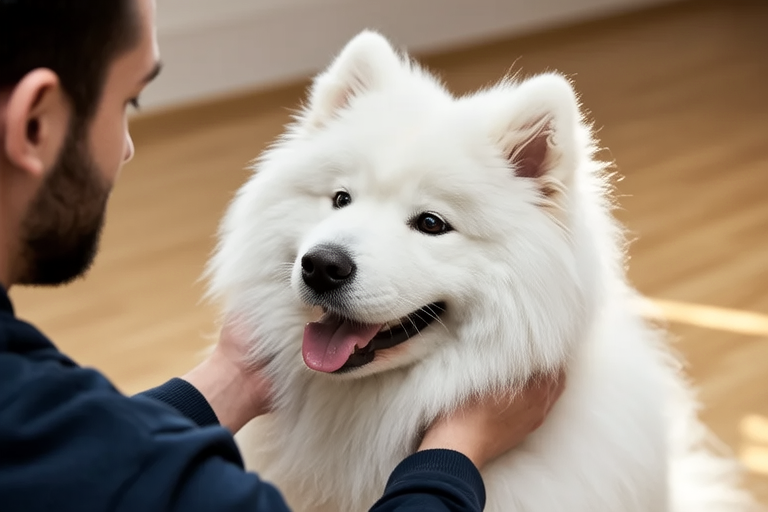
Samoyed Training Tips: Taming the Gentle Giant with Love and Patience
The Samoyed, often referred to as the “Gentle Giant,” is a striking breed known for its fluffy white coat and expressive, smiling face. Originating from Siberia, this breed was originally bred to herd reindeer and pull sleds, making them highly adaptable and hardworking. Despite their robust appearance, Samoyeds are renowned for their friendly and gentle demeanor. However, their high energy levels require consistent physical and mental stimulation to keep them happy and healthy. In this article, we will explore effective training techniques that will help you harness the best qualities of your Samoyed while ensuring they remain loving and well-behaved companions.
Understanding the Samoyed Breed
Samoyeds are known for their friendly nature, which makes them excellent family pets. They are naturally curious and enjoy interacting with people and other animals. However, their high energy levels mean they need plenty of exercise and mental challenges to prevent boredom, which can lead to destructive behaviors. Early socialization and basic obedience training are crucial for Samoyeds to ensure they grow into well-adjusted, confident dogs.
The Importance of Early Socialization and Basic Obedience Training
Early socialization is key to developing a well-rounded Samoyed. Exposing your puppy to various environments, people, and situations from a young age helps them become comfortable and less reactive. This process begins at home with gentle handling and gradually extends to trips to the park, visits to friends, and exposure to different sounds and sights.
Basic obedience training sets the foundation for good behavior throughout your dog’s life. Commands like ‘sit,’ ‘stay,’ ‘come,’ and ‘leave it’ are essential for safety and control. Teaching these commands should start during the socialization period, when puppies are most receptive to learning. Positive reinforcement, such as treats and praise, is particularly effective for Samoyeds, as they respond well to rewards and affection.
Positive Reinforcement Techniques for Samoyeds
Positive reinforcement is the cornerstone of effective Samoyed training. It involves rewarding desired behaviors with treats, praise, or playtime, thereby encouraging repetition. Here are some specific techniques:
- Treat Training: Use small, tasty treats to reward your Samoyed for obeying commands. Ensure the treats are low-calorie to avoid weight gain. Pair each treat with verbal praise to reinforce the connection between the command and the reward.
- Clicker Training: A clicker can be used to mark the exact moment your Samoyed performs the desired behavior. Click, then immediately give a treat. Over time, your dog will associate the click with a reward, enhancing their understanding of what actions earn praise.
- Play as a Reward: Samoyeds love playtime. Incorporate games like fetch or tug-of-war as rewards for good behavior. This not only reinforces positive actions but also strengthens the bond between you and your dog.
Addressing Common Behavioral Issues
Like any breed, Samoyeds may exhibit certain behavioral issues that require attention. Below are some common problems and solutions:
Excessive Barking
Samoyeds are vocal dogs, often barking to alert or express excitement. To manage excessive barking, teach your dog a ‘quiet’ command. When your Samoyed starts barking, wait until they pause, then say ‘quiet’ and reward them with a treat. Gradually increase the duration of silence required before giving the reward.
Chewing
Chewing is a natural behavior for puppies and young dogs, but it can become problematic if not managed. Provide appropriate chew toys and supervise your Samoyed to redirect them to approved items. If you catch them chewing on something inappropriate, gently interrupt the behavior and offer a suitable alternative.
Maintaining Consistency in Training Routines
Consistency is vital in training Samoyeds. Stick to a regular schedule for feeding, walking, and training sessions. Use the same commands and hand signals consistently, and ensure all family members follow the same rules. This uniformity helps your Samoyed understand expectations and reinforces learned behaviors.
The Role of Patience and Love in the Training Process
Training a Samoyed requires patience and love. These dogs are sensitive to tone and body language, so always approach training with a calm and positive attitude. Avoid harsh corrections, as they can damage the trust between you and your pet. Instead, focus on building a strong, loving relationship that encourages cooperation and mutual respect.
The Benefits of Well-Trained Samoyeds
A well-trained Samoyed can become a loyal and devoted companion. Through training, you build a bond based on trust and understanding. Your dog will be better equipped to handle various situations, making outings more enjoyable and stress-free. Moreover, a well-behaved Samoyed is more likely to integrate smoothly into family life, bringing joy and companionship to everyone.
In conclusion, training your Samoyed is a rewarding journey that requires dedication, patience, and love. By following the tips outlined in this article, you can help your Samoyed become a well-adjusted, obedient, and loving member of your family. Remember, every dog is unique, so adapt these strategies to suit your individual pet’s needs. With consistent effort and a positive approach, you’ll have a well-trained Samoyed who is both a faithful friend and a joy to be around.