
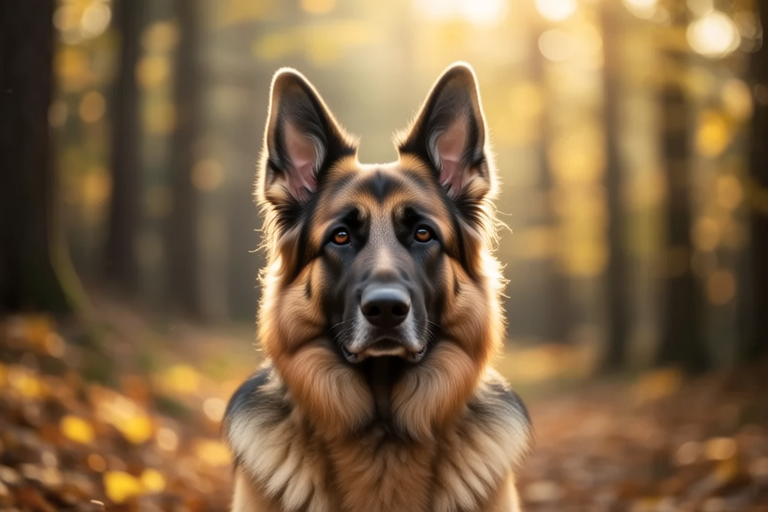
5 Surprising Facts About German Shepherds You Need to Know
German Shepherds are one of the most popular dog breeds around the world, known for their loyalty, intelligence, and versatility. From police work to therapy, these dogs have earned their reputation as one of the best working breeds. However, there are many fascinating aspects about German Shepherds that even seasoned dog lovers might not know. Let’s dive into five surprising facts about this remarkable breed.
1. The Origin of the Name: A Misnomer?
The name ‘German Shepherd’ can be somewhat misleading. Contrary to what you might think, the breed was not named after a specific region or city in Germany. Instead, it was named by its founder, Captain Max von Stephanitz, who envisioned the breed as a herding dog capable of shepherding sheep. The term ‘Shepherd’ in the name refers to the dog’s role as a guardian and guide rather than its geographical origin. Von Stephanitz was a member of the German army and believed that dogs could be trained for various tasks, including military service. He founded the Verein für Deutsche Schäferhunde (Society for the German Shepherd Dog) in 1899 to standardize the breed and promote its capabilities. This fact highlights how the breed’s name reflects its intended purpose rather than its place of origin.
2. Exceptional Intelligence and Versatility
German Shepherds are often considered one of the smartest dog breeds, but their intelligence extends beyond just following commands. They possess problem-solving skills that allow them to adapt quickly to new situations. For example, during World War I, German Shepherds were used as messenger dogs, guiding wounded soldiers back to safety. Their ability to navigate complex terrains and communicate effectively with humans made them invaluable assets. Additionally, they excel in various roles such as search and rescue, therapy, and even acting. One famous German Shepherd actor, Rin Tin Tin, became a Hollywood star in the 1920s, showcasing the breed’s talent for performing. This versatility underscores why German Shepherds are often chosen for specialized tasks where quick thinking and adaptability are crucial.
3. Unique Physical Characteristics
Besides their well-known strong build and muscular physique, German Shepherds have some distinctive physical traits. One notable feature is their double coat, which consists of a dense undercoat and a longer, rough outer coat. This dual-layered fur provides excellent insulation against cold weather, making them well-suited for outdoor activities. Another interesting aspect is their tail, which is typically carried in a slight curve above the level of the back. This characteristic tail position is a result of selective breeding and contributes to the breed’s regal appearance. Furthermore, German Shepherds have a unique gait called the ‘flying trot,’ where their front legs move in a straight line while their hind legs move in an arc. This efficient movement allows them to cover large distances swiftly, making them ideal for tasks requiring stamina and agility.
4. Emotional Sensitivity and Empathy
While German Shepherds are renowned for their bravery and protective nature, they also display remarkable emotional sensitivity and empathy. Many people are surprised to learn that these dogs can sense when their owners are feeling sad or anxious. Studies have shown that German Shepherds can detect changes in human emotions through subtle cues like body language and facial expressions. This ability makes them excellent companions for individuals dealing with mental health challenges, such as post-traumatic stress disorder (PTSD). In addition, they often form strong bonds with children and are known to protect them vigilantly. This emotional depth and responsiveness further highlight why German Shepherds are often referred to as ‘man’s best friend.’
5. The Role of Genetics in Coat Color
The genetic makeup of German Shepherds plays a significant role in determining their coat color. While the most common colors are black and tan, there are several other variations, including sable, red, and white. These different hues result from specific combinations of genes responsible for pigmentation. For instance, the ‘s’ gene determines whether a dog will have a solid color or a mixed pattern, while the ‘A’ series of genes controls the distribution of black pigment. Understanding these genetic factors helps breeders produce puppies with desired coat colors and patterns. It’s worth noting that coat color does not affect a dog’s temperament or abilities, meaning that regardless of their appearance, all German Shepherds share the same loyal and intelligent nature.
Conclusion
In conclusion, German Shepherds are much more than just a popular breed; they are complex creatures with rich histories, unique physical attributes, and remarkable emotional intelligence. From their origins as herding dogs to their current roles in various fields, these dogs continue to impress us with their versatility and loyalty. Whether you’re a long-time enthusiast or just learning about the breed, understanding these lesser-known facts can deepen your appreciation for German Shepherds. If you’re interested in learning more about this fascinating breed, consider exploring resources on their history, training methods, and care requirements. By doing so, you’ll gain a deeper insight into what makes German Shepherds such exceptional companions and workers.