
Top 10 Myths About Red-eared Sliders Busted!
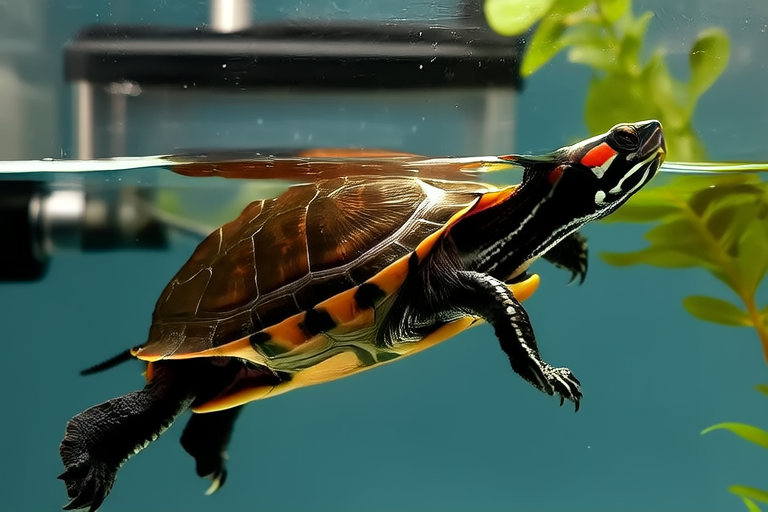
Red-eared sliders (Trachemys scripta elegans) are one of the most popular pet turtle species worldwide. Their vibrant colors, friendly demeanor, and relatively low maintenance have made them a favorite among reptile enthusiasts. However, despite their widespread popularity, many misconceptions persist about these aquatic turtles. It’s crucial to understand the truth behind these myths to ensure the well-being of your pet and provide it with optimal care. This article aims to debunk ten of the most common myths about red-eared sliders, providing scientific facts, proper care tips, and addressing habitat needs, dietary requirements, growth rates, and interaction with humans.
Myth 1: Red-eared Sliders Can Be Kept in Small Tanks
One of the most pervasive myths about red-eared sliders is that they can thrive in small tanks. This misconception often leads to inadequate living conditions for these turtles. In reality, red-eared sliders require spacious habitats that allow ample swimming space and basking areas. A rule of thumb is to provide at least 10 gallons of water per inch of shell length for juveniles, increasing to 40 gallons or more for adults. The tank should be equipped with a powerful filter to maintain water quality and a UVB light source to support vitamin D synthesis necessary for calcium absorption.
Myth 2: Red-eared Sliders Hibernate Naturally Indoors
Another myth is that red-eared sliders can hibernate indoors without any special preparation. While it’s true that these turtles can enter brumation (a state similar to hibernation), doing so requires specific environmental conditions. Brumation usually occurs when temperatures drop below 10°C (50°F). Indoor environments typically lack the natural cues that trigger this process, and forcing a turtle into brumation can lead to health issues. Instead, maintaining consistent temperatures and providing adequate lighting throughout the year is recommended.
Myth 3: Red-eared Sliders Are Easy to Feed with Store-bought Pellets
Many people believe that feeding red-eared sliders with store-bought pellets is sufficient. While commercial turtle food provides essential nutrients, a balanced diet should also include fresh vegetables, fruits, and occasional protein sources like insects or fish. Feeding solely on pellets can result in nutritional deficiencies, leading to health problems such as metabolic bone disease. Offering a variety of foods ensures that your turtle receives all necessary vitamins and minerals.
Myth 4: Red-eared Sliders Grow to Only a Few Inches
It’s commonly thought that red-eared sliders remain small, but this couldn’t be further from the truth. These turtles can grow quite large, reaching up to 12 inches in shell length for females and slightly smaller for males. Proper nutrition and care contribute significantly to their growth rate. Juveniles grow rapidly during the first few years, after which growth slows down. Providing a healthy diet and appropriate environment is crucial for their development.
Myth 5: Red-eared Sliders Are Low Maintenance Pets
Contrary to popular belief, red-eared sliders require diligent care. Maintaining water quality, ensuring proper temperature and lighting, and monitoring dietary intake are just some aspects of responsible ownership. Neglecting these needs can lead to serious health issues for your turtle. Regular cleaning of the tank, monitoring water parameters, and providing suitable hiding spots are all part of the commitment involved in keeping these pets.
Myth 6: Red-eared Sliders Can Interact Freely with Humans
While red-eared sliders may seem approachable, they are not inherently social animals. They prefer solitude and may become stressed by frequent handling. Handling should be kept to a minimum and done gently to avoid causing harm. It’s important to respect their need for personal space while still providing them with necessary care.
Myth 7: Red-eared Sliders Need Minimal Basking Areas
Basking is vital for red-eared sliders’ health, yet some owners underestimate its importance. A basking area must be easily accessible and large enough for the turtle to fully extend its body. This area should be heated to around 85-90°F (29-32°C) using a heat lamp. Adequate basking time helps regulate body temperature, aids digestion, and supports overall well-being.
Myth 8: Red-eared Sliders Can Survive Without UVB Lighting
UVB lighting is essential for red-eared sliders as it enables the production of vitamin D3, which facilitates calcium absorption. Without sufficient UVB exposure, turtles can develop metabolic bone diseases characterized by soft shells and weak bones. Therefore, incorporating a high-quality UVB bulb into their enclosure is non-negotiable.
Myth 9: Red-eared Sliders Are Harmless to Humans
Though generally safe, red-eared sliders can carry Salmonella bacteria, posing a risk to human health, especially for children and immunocompromised individuals. Proper hygiene practices, such as washing hands after handling the turtle or its enclosure, are necessary to minimize the risk of infection.
Myth 10: Red-eared Sliders Can Be Released into the Wild
Releasing pet red-eared sliders into the wild is illegal in many places and poses significant ecological threats. These turtles can outcompete native species for resources and introduce diseases, disrupting local ecosystems. Responsible pet owners should consider adopting another pet instead of releasing unwanted turtles.
Advice for Potential Owners and Enthusiasts
Providing optimal care for red-eared sliders involves understanding their unique needs and committing to their well-being. Start by researching extensively before bringing one home. Invest in the right equipment, including a large tank, efficient filtration system, UVB lighting, and a reliable heater. Regular veterinary check-ups are also advisable to catch any potential health issues early.
Lastly, always remember that red-eared sliders are long-term commitments. With proper care, they can live up to 40 years or more. By educating yourself thoroughly and being prepared for the responsibilities involved, you can ensure a happy and healthy life for your pet turtle.