
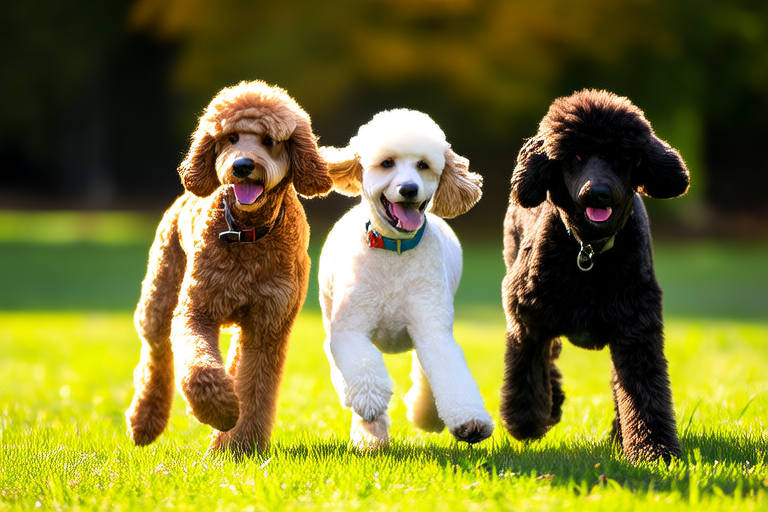
Poodles Unleashed: A Journey Through Coat Types, Temperaments, and Training
Poodles have long captured the hearts of dog enthusiasts worldwide with their striking appearance, high intelligence, and versatile nature. Known for their elegance and grace, poodles come in various sizes and coat types, each offering its own charm and appeal. Their intelligence makes them highly trainable, and their adaptable personalities ensure they can fit seamlessly into almost any lifestyle. This article delves into the world of poodles, exploring their diverse coat types, temperaments, and training methods.
The Diverse Appeal of Poodles
At the heart of the poodle’s appeal lies their exceptional intelligence. Ranked as one of the smartest dog breeds, poodles are quick learners, eager to please their owners, and capable of understanding complex commands. This intelligence is complemented by their versatility, making them suitable for a wide range of activities, from agility competitions to therapy work. Their friendly and affectionate nature also ensures they are excellent companions for families and individuals alike.
Coat Types: Standard, Miniature, and Toy Poodles
Standard Poodles
Standing at an impressive height of 15 inches or more, standard poodles are the largest among the poodle family. They are known for their regal appearance and athletic build. Standard poodles are often used as show dogs, service animals, and in various competitive events. Their coats are dense and curly, providing excellent protection against harsh weather conditions. Grooming standard poodles requires regular brushing and trimming every six to eight weeks to maintain their signature look. Care tips include regular baths and conditioning treatments to keep their skin and coat healthy.
Miniature Poodles
Miniature poodles stand between 11 and 15 inches tall and offer a smaller version of the standard poodle’s elegance. These dogs are equally intelligent and trainable, making them popular choices for families and apartment dwellers. Miniature poodles have the same curly coat as their larger counterparts but require slightly less maintenance. They should be brushed weekly and trimmed every four to six weeks. Regular brushing helps prevent matting and keeps their coat shiny and smooth.
Toy Poodles
Toy poodles are the smallest members of the poodle family, standing less than 10 inches tall. Despite their diminutive size, toy poodles possess the same intelligence and energy as their larger relatives. They are perfect for those who want a small, portable companion without sacrificing the breed’s renowned traits. Toy poodles have the same curly coat as other poodles, which requires regular grooming. They should be brushed daily and trimmed every four to six weeks. Proper care includes monitoring their diet to prevent obesity and ensuring they get enough exercise despite their small stature.
Temperaments of Poodles
Poodles are known for their friendly, sociable, and adaptable temperaments. They are generally well-behaved and enjoy spending time with their human companions. Poodles thrive in environments where they receive attention and mental stimulation. Their trainability is one of their most notable attributes, and they respond exceptionally well to positive reinforcement techniques. However, it’s important to note that each poodle may have its own personality, so understanding individual preferences and quirks is key to building a strong bond.
Effective Training Methods
Positive reinforcement is the cornerstone of effective poodle training. Reward-based training uses treats, praise, and play to encourage desired behaviors. This method not only strengthens the bond between owner and dog but also promotes confidence and self-assurance in the poodle. Consistency is crucial; using the same commands and rewards every time reinforces the learning process. Clicker training, a specific form of positive reinforcement, involves using a clicker to mark good behavior before giving a reward. This technique helps poodles understand exactly what actions earn praise and treats.
Socialization is another essential aspect of poodle training. Exposing puppies to various people, animals, and environments from an early age helps them develop into well-adjusted adults. It’s important to introduce new experiences gradually and positively, ensuring the poodle remains comfortable and confident. Puppy classes provide structured socialization opportunities while teaching basic obedience skills. For adult poodles, ongoing exposure to different situations continues to foster adaptability and good manners.
Conclusion
Poodles are truly remarkable dogs, combining intelligence, elegance, and adaptability in a way that makes them beloved companions for many. Whether you choose a standard, miniature, or toy poodle, each size offers its own unique charm and appeal. Their versatile temperaments and high trainability make them suitable for a wide range of activities and lifestyles. By understanding the distinct needs of each coat type and employing effective training methods, owners can ensure their poodles lead happy, healthy lives. If you’re considering adding a poodle to your family, take the time to learn more about this amazing breed and the joy they can bring into your life.