
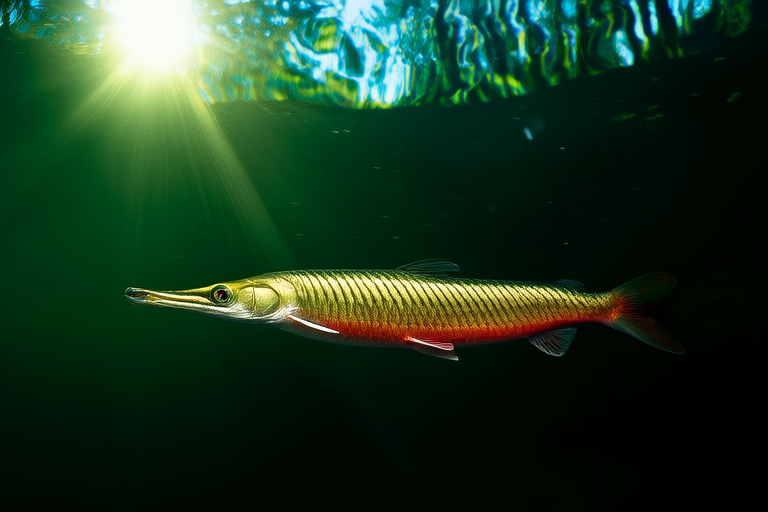
From Amazon to Aquarium: Raising the Exquisite Arowana
The arowana, often referred to as the dragon fish, is a true aquatic marvel. Its striking appearance, characterized by a long, slender body adorned with shimmering scales, makes it a sought-after addition to many aquariums around the world. Beyond its exotic beauty, the arowana holds significant cultural importance, particularly in parts of Asia where it is believed to bring good fortune and is often gifted during celebrations like weddings or the Chinese New Year.
Natural Habitat and Environmental Factors
Originating from the vast and diverse waters of the Amazon basin, the arowana thrives in environments rich with biodiversity. This region is renowned for its dense rainforests, meandering rivers, and nutrient-rich waters that support an array of aquatic life. Key environmental factors crucial for the arowana’s survival include warm temperatures ranging between 78°F and 84°F (25°C to 29°C), slightly acidic water with a pH level between 6.0 and 7.0, and a dissolved oxygen level of at least 5 ppm.
The Amazon basin’s water is teeming with dissolved organic matter, which contributes to the ecosystem’s fertility. The arowana, an apex predator, plays a vital role in maintaining the ecological balance by preying on smaller fish, insects, and crustaceans. These conditions provide the ideal breeding ground for these magnificent creatures, allowing them to grow to impressive sizes and develop their unique physical characteristics.
Challenges and Considerations for Transition
Transitioning the arowana from its natural habitat to a home aquarium presents several challenges. One of the primary concerns is ensuring the tank replicates the arowana’s natural environment as closely as possible. This involves careful consideration of water parameters, tank size, and filtration systems. The arowana is a highly active and territorial fish, requiring ample space to swim and explore. An insufficiently large tank can lead to stress and health issues.
Another critical aspect is the transition itself. Capturing and transporting arowanas can be stressful for the fish, potentially leading to shock or injury. It is essential to acclimate the fish gradually to the new environment, monitoring water parameters and providing a safe, stress-free introduction to the aquarium.
Aquarium Setup Essentials
Setting up an appropriate aquarium for an arowana requires meticulous planning. The tank size is paramount; a minimum of 300 gallons (1136 liters) is recommended for a single adult arowana, with additional space for each additional fish. This ensures the arowana has enough room to swim and establish territories without feeling cramped.
Filtration is another crucial element. High-quality external filters are preferred due to their ability to handle large volumes of water efficiently. Regular maintenance of the filter and water changes are necessary to maintain optimal water quality. Water parameters must be carefully monitored, including temperature, pH, and ammonia levels. Stability in these parameters is key to the arowana’s well-being.
Decor is also important for creating a stimulating environment. Floating plants, driftwood, and caves can provide hiding spots and add aesthetic appeal. However, sharp objects should be avoided to prevent injuries. Substrate choice is less critical, but smooth gravel or sand is preferable.
Dietary Requirements and Feeding Habits
The arowana is primarily carnivorous, feeding on a diet of live or frozen foods such as feeder fish, shrimp, and worms. In captivity, a balanced diet is essential for maintaining optimal health. While live foods are preferred, it is advisable to supplement with high-quality pellets or sticks designed for large predatory fish. This ensures the arowana receives all necessary nutrients.
Feeding habits should be observed to understand the arowana’s preferences and appetite. Overfeeding can lead to obesity and other health issues, so portion control is important. Arowanas have a unique hunting behavior, often leaping out of the water to catch prey. This behavior should be encouraged in a controlled and safe manner, ensuring the aquarium is covered to prevent accidents.
Common Health Issues and Preventive Measures
Despite their hardiness, arowanas can face various health issues if not cared for properly. Common problems include bacterial infections, parasitic infestations, and fin rot. Early detection and treatment are crucial for recovery. Regular water quality checks and maintaining stable water parameters can help prevent many of these issues.
Vaccinations and prophylactic medications are generally not used in aquarium settings. Instead, focus on maintaining a clean and healthy environment. Quarantine new additions to the tank to prevent the introduction of diseases. If health issues arise, consult a veterinarian specializing in aquatic animals for appropriate diagnosis and treatment.
Rewarding Experience of Raising Arowanas
Raising arowanas is a deeply rewarding experience for aquarium enthusiasts. Observing their unique behaviors, such as leaping to catch prey or interacting with tank mates, provides endless fascination. Their presence adds a touch of elegance and mystery to any aquarium, making them a centerpiece of admiration.
The arowana’s longevity, often exceeding 20 years in captivity, allows for a long-term commitment and bond with the fish. Their graceful movements and striking appearance make them a cherished addition to many homes. For those willing to invest the time and resources, raising arowanas offers a unique and fulfilling hobby that combines the joys of nature with the art of aquarium keeping.