
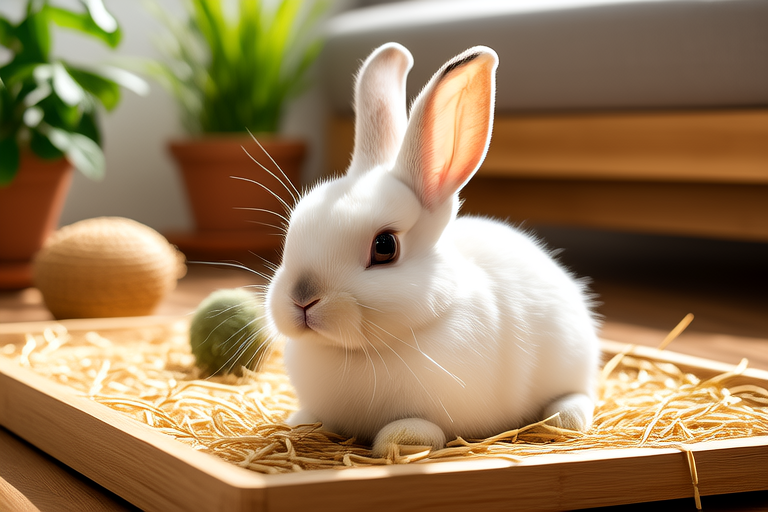
How to Create the Perfect Home for Your Lop Bunny Companion
Welcome to the wonderful world of lop bunnies! These adorable, floppy-eared creatures bring joy and companionship into many homes. As a responsible pet owner, it’s important to create a safe, comfortable, and enriching environment for your lop bunny. This comprehensive guide will walk you through the steps of setting up the perfect home for your furry friend.
Choosing the Right Habitat Size
The first step in creating the perfect home for your lop bunny is selecting the appropriate habitat size. Lop bunnies are active animals that require ample space to move around and exercise. A cage or enclosure that is too small can lead to stress, boredom, and health issues. The general rule of thumb is to provide at least four square feet of living space per bunny. However, if you have multiple lop bunnies, consider providing even more space to ensure they have enough room to play and interact without feeling cramped.
Suitable Bedding Materials
Comfortable bedding is crucial for your lop bunny’s well-being. Opt for soft, absorbent materials that promote hygiene and comfort. Popular choices include recycled paper products, such as Carefresh or Yesterday’s News, which are safe, eco-friendly, and easy to clean. Avoid cedar or pine shavings, as they can cause respiratory problems. Additionally, provide a soft blanket or towel for your bunny to snuggle with, ensuring it is machine washable and free from any harmful chemicals.
Necessary Toys and Accessories
Toys and accessories are essential for keeping your lop bunny mentally and physically stimulated. Lop bunnies enjoy chewing, so offer them a variety of chew toys made from natural fibers, such as untreated willow or apple branches. Cardboard boxes and paper bags can also serve as fun and interactive toys. Puzzle feeders encourage mental engagement and help prevent boredom. Lastly, consider adding a small tunnel or hideaway for your bunny to explore and feel secure.
Optimal Feeding Areas
Establishing a designated feeding area within your lop bunny’s habitat is vital for maintaining cleanliness and organization. Position a sturdy food dish away from the litter box to prevent contamination. Opt for a ceramic or stainless steel dish that is easy to clean and resistant to tipping. Similarly, place a water bottle or bowl in a convenient location. Ensure the water remains fresh and clean by changing it daily and washing the container regularly.
Safe and Stimulating Environment Setup
Your lop bunny’s environment should be both safe and stimulating. Remove any potential hazards, such as electrical cords or small objects that could be swallowed. Cover or secure any gaps in the enclosure to prevent escape attempts. Incorporate various textures and surfaces, like ramps or platforms, to encourage exploration and physical activity. Providing a variety of hiding spots and climbing structures can also enhance your bunny’s sense of security and enrichment.
Temperature and Lighting Considerations
Maintaining an optimal temperature range is crucial for your lop bunny’s comfort and health. Lop bunnies thrive in temperatures between 60°F and 75°F (15°C to 24°C). Avoid placing their habitat near drafty windows, direct sunlight, or heating vents. Consistent lighting is also important; aim for 8 to 12 hours of light each day to mimic natural daylight cycles. Use full-spectrum bulbs if needed, but avoid excessive exposure to bright lights, which can cause stress.
Tips for Bunny-Proofing Your Home
Bunny-proofing your home ensures your lop bunny can explore safely beyond its primary habitat. Remove or cover electrical cords, as these pose a choking hazard. Secure baseboards and trim pieces to prevent chewing damage. Provide supervised access to safe areas, such as a bunny-proofed room or playpen, where your bunny can roam freely under supervision. Always supervise your bunny during free-roaming sessions to prevent accidents.
Importance of Regular Cleaning and Maintenance
Regular cleaning and maintenance are key to maintaining a healthy and hygienic environment for your lop bunny. Clean the habitat at least once a week, removing soiled bedding and replacing it with fresh material. Disinfect food and water dishes, and check for any signs of wear or damage. Regularly inspect toys and accessories for safety, replacing or repairing them as needed. By staying vigilant about cleaning and maintenance, you can help prevent health issues and ensure your bunny’s living space remains inviting and comfortable.
Addressing Unique Needs and Behaviors of Lop Bunnies
Lop bunnies have unique needs and behaviors that should be considered when setting up their home. Their floppy ears make them prone to ear infections, so ensure their habitat is clean and dry. Provide soft, supportive bedding to prevent pressure sores on their bodies. Lop bunnies are social animals and may benefit from having a companion. If introducing another bunny, do so gradually and under supervision to ensure compatibility.
Conclusion
Caring for a lop bunny requires attention to detail and a commitment to providing a safe, comfortable, and enriching environment. By following the guidelines outlined in this article, you can create the perfect home for your lop bunny companion. Remember, a happy bunny is a healthy bunny, so take the time to understand and meet their unique needs. With proper care and attention, your lop bunny will thrive and bring endless joy to your life.